Have you ever received a message that simply said “WTW?” and wondered what it meant?
You’re not alone.
Texting slang changes fast, and new abbreviations seem to appear every day. If you’ve seen WTW on Snapchat, Instagram, TikTok, WhatsApp, or in a text message, you may be confused about what the sender is trying to say.
The good news is that WTW is actually simple once you understand the context.
In this guide, you’ll learn exactly what WTW means in text, why people use it, when to use it yourself, and how to reply naturally.
What Does WTW Mean in Text?
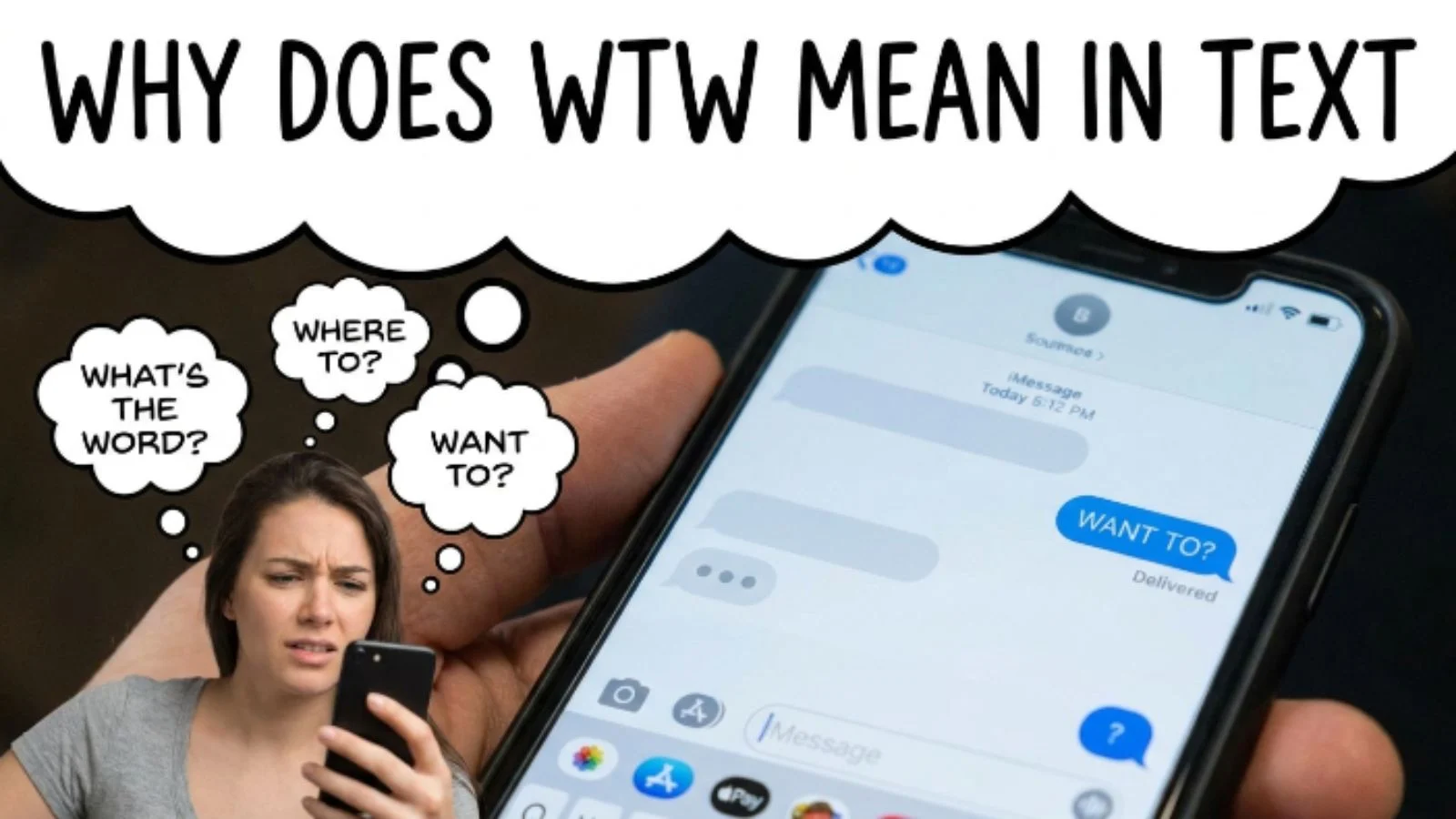
WTW stands for “What’s the Word?”
In texting and online conversations, it is commonly used as a casual way to ask:
- What’s going on?
- What’s happening?
- What’s the plan?
- What’s up?
- What are you doing?
People often send WTW when they want to start a conversation, check in with someone, or find out if anything interesting is happening.
Quick Definition
WTW means “What’s the Word?” and is used to ask someone what they’re doing, what’s happening, or whether they have plans.
It’s a friendly and informal abbreviation commonly used in texting and social media conversations.
Simple Meaning of WTW
Think of WTW as another way of saying:
“Hey, what’s up?”
or
“What’s going on?”
Instead of typing a full sentence, people shorten it to three letters.
For example:
Friend: WTW?
You: Not much, just watching a movie.
In this conversation, your friend simply wants to know what you’re doing.
WTW helps make texting faster and more casual.
Where Is WTW Used?
WTW is popular across many digital platforms.
Snapchat
Snapchat users often send WTW when they want to start chatting or make plans.
Example:
“WTW tonight?”
This means:
“What are we doing tonight?”
People use WTW in direct messages and story replies.
Example:
“WTW this weekend?”
They’re asking if you have any plans.
TikTok
You’ll sometimes see WTW in comments, captions, and private messages.
It can be used to ask what’s happening or to join a conversation.
Text Messages
WTW is very common in everyday texting between friends.
Example:
“Hey, WTW?”
This simply means:
“Hey, what’s up?”
WhatsApp and Messenger
Many users send WTW when checking on friends or organizing plans.
Why Do People Use WTW?
There are several reasons why WTW became popular.
It’s Fast
Typing three letters is much quicker than typing an entire question.
It’s Casual
WTW feels relaxed and friendly.
People use it with friends, classmates, coworkers they know well, and family members.
It Starts Conversations
Many people send WTW when they don’t have anything specific to say but want to talk.
It’s an easy conversation starter.
It Helps Make Plans
WTW can quickly help friends figure out what everyone is doing.
For example:
“WTW after school?”
This asks about plans without needing a long message.
Real-Life Examples of WTW in Text
Understanding examples makes the meaning much clearer.
Example 1: Checking In
Alex: WTW?
Jordan: Just finished work. You?
Meaning: Alex is asking what’s going on.
Example 2: Making Plans
Chris: WTW tonight?
Ryan: Thinking about going out for dinner.
Meaning: Chris wants to know the evening plans.
Example 3: Starting a Conversation
Taylor: Hey, WTW?
Morgan: Nothing much. Just relaxing.
Meaning: Taylor is saying “What’s up?”
Example 4: Weekend Plans
Sam: WTW this weekend?
Emma: I’m visiting family on Saturday.
Meaning: Sam wants to know Emma’s plans.
Example 5: Group Chat
Friend: WTW everybody?
Group Member: We should hang out later.
Meaning: The friend is asking what everyone is doing.
WTW vs Similar Texting Terms
Many texting abbreviations have similar meanings. Here’s how WTW compares.
| Term | Meaning | Usage |
|---|---|---|
| WTW | What’s the Word? | Asking what’s happening or what the plans are |
| WYD | What You Doing? | Asking what someone is currently doing |
| WSP | What’s Up? | Casual greeting |
| SUP | What’s Up? | Informal greeting |
| HBU | How About You? | Asking for someone’s opinion or situation |
| WYA | Where You At? | Asking someone’s location |
Key Difference
WTW is broader than WYD.
WYD focuses on what someone is doing right now.
WTW can ask about:
- Current activities
- Future plans
- Events
- General updates
When Should You Use WTW?
WTW works best in informal situations.
Good Times to Use WTW
Use it when:
- Talking to friends
- Starting a casual conversation
- Asking about plans
- Checking what’s happening
- Joining a group discussion
Examples:
- “WTW after class?”
- “WTW this weekend?”
- “WTW tonight?”
- “WTW bro?”
When Not to Use WTW
Avoid using WTW in:
- Job applications
- Business emails
- Professional meetings
- Formal communication
- Academic papers
For professional situations, use complete sentences instead.
Example:
Instead of:
“WTW with the project?”
Write:
“Can you provide an update on the project?”
Different Meanings of WTW
Although “What’s the Word?” is the most common meaning, context matters.
Sometimes people use WTW to mean:
What’s Up?
Example:
“WTW man?”
Meaning:
“What’s up?”
What’s Going On?
Example:
“WTW over there?”
Meaning:
“What’s happening over there?”
What Are the Plans?
Example:
“WTW tonight?”
Meaning:
“What are we doing tonight?”
Most of the time, these meanings are very similar.
How to Reply to WTW
Many people understand WTW but don’t know how to respond.
Here are some natural replies.
If You’re Busy
- “Working right now.”
- “Just studying.”
- “Running errands.”
If Nothing Is Happening
- “Nothing much.”
- “Just chilling.”
- “Relaxing at home.”
If You Want to Hang Out
- “Thinking about grabbing food.”
- “Want to meet up?”
- “Let’s do something later.”
If You’re Curious Too
- “Not much. WTW with you?”
- “Just got home. What about you?”
Common Misunderstandings About WTW
People sometimes misunderstand this abbreviation.
Thinking It Has Only One Meaning
WTW can refer to plans, activities, or general updates depending on context.
Assuming It’s Formal Language
WTW is casual slang.
It should not be used in professional communication.
Confusing It With Other Abbreviations
WTW is different from:
- WYD
- WYA
- WSP
- HBU
Each abbreviation serves a different purpose.
Thinking It’s New
While WTW has become more visible on social media, it has been used in texting culture for years.
Pro Tips for Using WTW Correctly
Follow these simple tips.
Know Your Audience
Use WTW with friends and people who understand texting slang.
Consider the Context
The meaning can change slightly based on the conversation.
Keep It Casual
WTW is meant to be relaxed and informal.
Don’t Overuse It
Mix it with normal conversation to keep messages natural.
Add Context When Needed
Instead of just saying “WTW,” you can say:
- “WTW tonight?”
- “WTW this weekend?”
- “WTW after work?”
This makes your question clearer.
Is WTW Popular Among Younger People?
Yes.
WTW is especially common among:
- Teenagers
- College students
- Young adults
- Social media users
However, people of many ages use it because it’s simple and easy to understand.
As texting culture continues to evolve, abbreviations like WTW remain popular because they save time and keep conversations casual.
Final Thoughts
If you’ve been wondering why WTW means in text, the answer is simple.
WTW stands for “What’s the Word?”
People use it as a quick and friendly way to ask what’s happening, what someone is doing, or what the plans are.
You’ll commonly see it on Snapchat, Instagram, TikTok, WhatsApp, and in everyday text messages.
Once you know the meaning, responding becomes easy. Think of it as another version of “What’s up?” or “What’s going on?”
The next time someone sends you “WTW,” you’ll know exactly what they’re asking.
Frequently Asked Questions
What does WTW mean in texting?
WTW usually means “What’s the Word?” It is a casual way to ask what’s happening, what’s up, or what the plans are.
Is WTW the same as WYD?
No. WYD means “What You Doing?” and focuses on current activities. WTW is broader and can also ask about plans or events.
Can WTW mean “What’s up”?
Yes. In many conversations, WTW is used similarly to “What’s up?” or “What’s going on?”
Is WTW formal or informal?
WTW is an informal texting abbreviation and should mainly be used with friends, family, or people you know well.