Blackmail means threatening someone to force them to do something, usually by saying that private, embarrassing, or harmful information will be revealed if they refuse.
In text messages, social media chats, emails, or online conversations, the word blackmail is often used when one person tries to pressure another person using threats.
Simple Definition
Blackmail = Using threats to make someone do something against their will.
The threat may involve:
- Revealing secrets
- Sharing private photos
- Exposing personal information
- Damaging someone’s reputation
- Reporting something embarrassing
Quick Example
Person A: “If you don’t lend me money, I’ll show everyone those photos.”
Person B: “That’s blackmail.”
Explanation: Person A is using a threat to force Person B to do something.
Blackmail Meaning in Text Messages
When people use the word blackmail in texting, they may mean one of two things:
1. Real Blackmail
This is a serious situation where someone threatens another person.
Example:
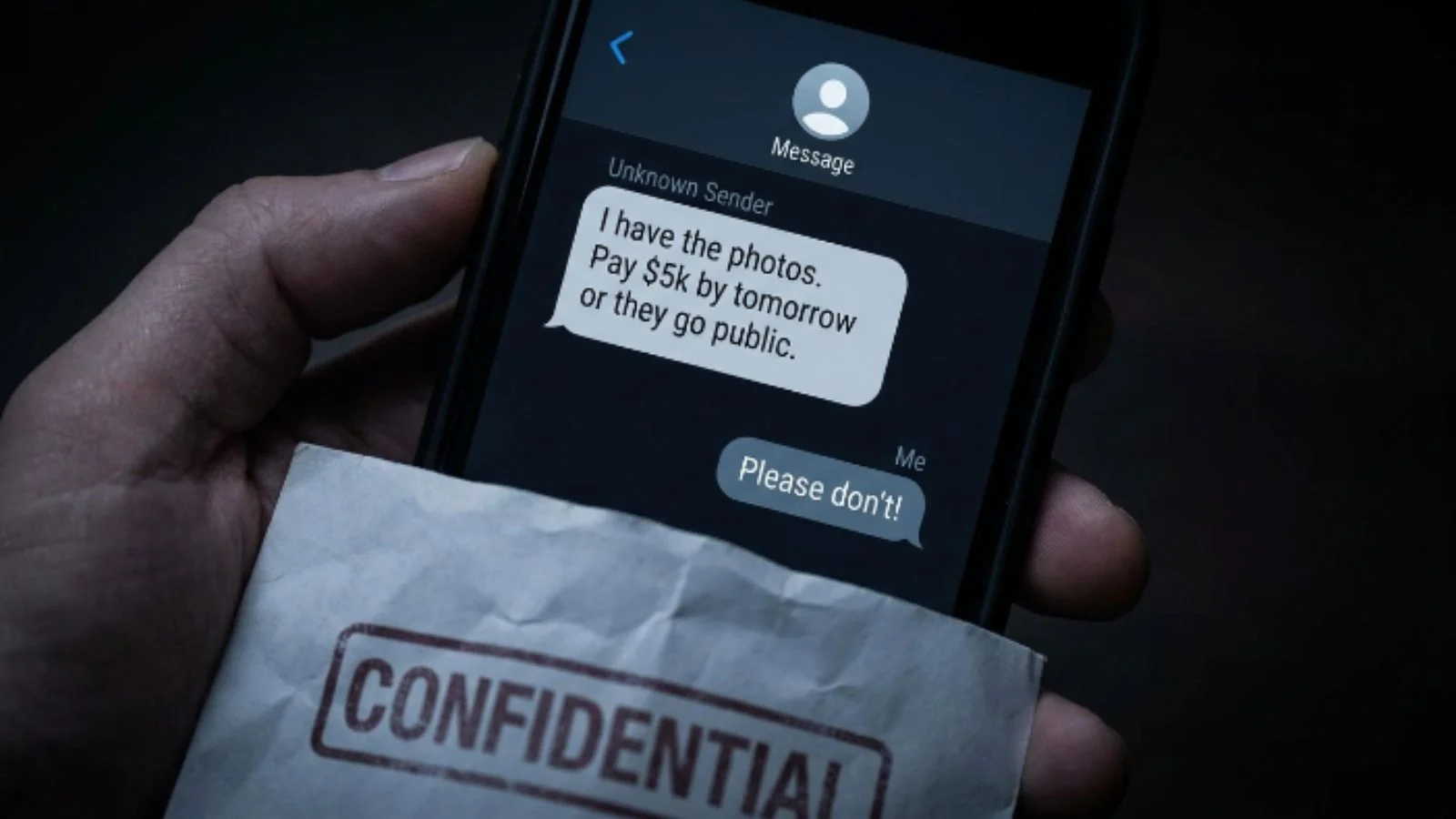
“Send me $500 or I’ll post your private messages online.”
Explanation: This is a real threat and may be considered illegal blackmail.
2. Playful or Exaggerated Use
Friends sometimes use the word jokingly.
Example:
“You can’t make me watch that movie!”
“Yes, I can. I have your embarrassing childhood pictures.”
“Stop blackmailing me!”
Explanation: The speaker is joking and does not mean actual criminal blackmail.
The Official Meaning of Blackmail
The traditional meaning of blackmail involves:
- A threat
- A demand
- An attempt to gain something
Usually, the person making the threat wants:
- Money
- Favors
- Information
- Control over another person
In many countries, blackmail is considered a crime.
Origin and History of the Word Blackmail
The word blackmail has an interesting history.
Where Did the Word Come From?
The term appeared in areas near the border of England and Scotland several centuries ago.
The word is made up of:
| Word Part | Meaning |
|---|---|
| Black | Associated with something illegal or harmful |
| An old word meaning payment or tribute |
Originally, people paid money to powerful groups for protection.
If they refused, they could face trouble or attacks.
Over time, the word evolved into the meaning we know today: demanding something through threats.
Historical Development
Early Usage
People paid money to avoid harm.
Later Meaning
The term began referring to threats involving secrets or damaging information.
Modern Usage
Today, blackmail often occurs through:
- Text messages
- Emails
- Social media
- Messaging apps
- Online platforms
What Does Blackmail Look Like in Text Conversations?
Blackmail can appear in many forms.
Financial Blackmail
Someone demands money.
Example:
“Send me money or I’ll tell your boss what happened.”
Explanation: The threat is being used to obtain money.
Emotional Blackmail
Someone uses emotions to control another person.
Example:
“If you really loved me, you’d do this for me.”
Explanation: The person is using guilt to pressure someone.
Digital Blackmail
Someone threatens to share online content.
Example:
“Give me what I want or I’ll post your pictures.”
Explanation: Private content is being used as leverage.
Social Blackmail
Someone threatens social embarrassment.
Example:
“Do what I say or I’ll tell everyone your secret.”
Explanation: Fear of embarrassment is being used to gain control.
Common Examples of Blackmail in Text
Here are some examples people may encounter.
Example 1
Text Message:
“If you break up with me, I’ll share our private chats.”
Explanation: The sender is using a threat to control the relationship.
Example 2
Text Message:
“Pay me or your family will find out.”
Explanation: The sender wants money and uses fear as pressure.
Example 3
Text Message:
“Help me cheat on the test or I’ll expose your secret.”
Explanation: A threat is being used to force cooperation.
Example 4
Text Message:
“Give me your game account password or I’ll tell everyone what happened.”
Explanation: The person wants access to something valuable through threats.
Short Dialogues Using Blackmail
Dialogue 1
Jake: “Give me your notes or I’ll show everyone that funny photo.”
Ryan: “That’s blackmail.”
Explanation: Jake is threatening Ryan to get something.
Dialogue 2
Emma: “If you don’t come to my party, I’ll tell your crush you like them.”
Sarah: “You’re blackmailing me.”
Explanation: Sarah feels pressured by the threat.
Dialogue 3
Alex: “Send me money or your secret is public.”
David: “I’m reporting this.”
Explanation: This is a serious example of blackmail.
Personality Traits Often Associated With Blackmail
Not everyone who uses pressure is a blackmailer. However, certain traits may appear in people who engage in blackmail.
Manipulative
They try to control others.
Controlling
They want power over situations.
Dishonest
They may use lies or deception.
Self-Centered
Their focus is often on their own goals.
Intimidating
They use fear to influence others.
It is important to remember that people can show these traits occasionally without being criminals. True blackmail involves threats and coercion.
Emotional Blackmail vs Traditional Blackmail
Many people confuse these two terms.
| Emotional Blackmail | Traditional Blackmail |
|---|---|
| Uses guilt or emotions | Uses threats |
| Often happens in relationships | Can happen anywhere |
| May not involve money | Often involves demands |
| Psychological pressure | Direct threats |
| Not always illegal | Often illegal |
Emotional Blackmail Example
“If you cared about me, you’d quit your job.”
Explanation: The person is using guilt.
Traditional Blackmail Example
“Quit your job or I’ll expose your secret.”
Explanation: The person is making a direct threat.
Blackmail on Social Media in 2026
Modern technology has created new forms of blackmail.
Social Media Threats
People may threaten to post:
- Photos
- Videos
- Screenshots
- Private conversations
Account Hacking Threats
A scammer may claim:
“I hacked your account. Pay me or I’ll expose your information.”
AI-Generated Content Threats
In 2026, scammers sometimes use AI-created images or videos to threaten victims.
Fake Evidence Threats
Some criminals create false information and demand payment to keep it private.
Signs Someone May Be Trying to Blackmail You
Watch for warning signs.
They Demand Something
The person wants:
- Money
- Gifts
- Favors
- Information
They Use Threats
They threaten consequences if you refuse.
They Create Fear
They want you to feel scared or trapped.
They Push for Quick Decisions
They often say:
- “Act now.”
- “Don’t tell anyone.”
- “You have one hour.”
They Mention Private Information
They use secrets or personal details to gain control.
Common Situations Where People Use the Word Blackmail
The word appears in many everyday situations.
Among Friends
Sometimes used jokingly.
Example:
“Do your chores or I’ll show everyone your baby pictures.”
Explanation: Usually playful, not serious.
In Relationships
Can describe emotional pressure.
Example:
“You’re blackmailing me with guilt.”
Explanation: The speaker feels manipulated.
Online Gaming
Players may threaten others.
Example:
“Trade your items or I’ll reveal your account details.”
Explanation: A threat is being used to gain something.
Workplace Situations
Someone may threaten to reveal information.
Example:
“Help me or I’ll tell management.”
Explanation: The threat creates pressure.
Common Misconceptions About Blackmail
Many people misunderstand the term.
Misconception 1: Every Threat Is Blackmail
Not always.
Blackmail usually involves demanding something in return.
Misconception 2: Only Criminals Blackmail
While criminal blackmail exists, manipulation can occur in everyday relationships too.
Misconception 3: Blackmail Always Involves Money
False.
People may seek:
- Attention
- Control
- Favors
- Information
Misconception 4: Online Blackmail Isn’t Serious
False.
Digital blackmail can have serious emotional, financial, and legal consequences.
Misconception 5: Jokes Are Always Blackmail
Not necessarily.
Friends often use the word humorously without real threats.
Similar Words and Related Terms
Understanding related words helps avoid confusion.
| Term | Meaning |
|---|---|
| Blackmail | Threats used to gain something |
| Extortion | Obtaining something through force or threats |
| Coercion | Forcing someone to act |
| Manipulation | Influencing someone unfairly |
| Intimidation | Creating fear |
| Pressure | Encouraging action through stress |
Example
“Tell me your password or else.”
This could involve:
- Blackmail
- Extortion
- Coercion
depending on the circumstances.
How People Use Blackmail in Everyday Speech
Many people use the word casually.
Example
“My little brother blackmailed me into sharing my snacks.”
Explanation: The speaker probably means playful pressure, not a real crime.
Example
“My friend is emotionally blackmailing me.”
Explanation: The speaker feels controlled through guilt.
Example
“He tried to blackmail me with old photos.”
Explanation: The speaker describes a genuine threat.
Modern Texting Examples in 2026
Example 1
“I’ll leak your screenshots unless you help me.”
Explanation: A digital threat is being used to gain cooperation.
Example 2
“Send money or I’ll expose everything.”
Explanation: This is a classic blackmail attempt.
Example 3
“If you don’t reply, I’ll tell everyone what happened.”
Explanation: The sender uses social pressure.
Example 4
“Give me access to your account or I’ll share the video.”
Explanation: The threat is intended to gain control.
Is Blackmail Illegal?
In many places, yes.
Laws differ from country to country, but blackmail is often treated as a serious offense because it involves threats and coercion.
People should never respond to criminal blackmail by giving in to demands without seeking help from trusted authorities, legal professionals, or appropriate support services.
How to Respond to Blackmail Attempts
If someone experiences real blackmail:
- Stay calm.
- Save evidence.
- Keep screenshots.
- Avoid deleting messages.
- Report the incident.
- Seek help from trusted authorities.
- Protect personal accounts and information.
These steps can help preserve evidence and improve safety.
Frequently Asked Questions
What does blackmail mean in a text message?
It means someone is using a threat to pressure another person into doing something, giving money, sharing information, or providing a favor.
Is blackmail always about money?
No. Blackmail can involve money, secrets, favors, personal information, or attempts to control someone’s actions.
What is emotional blackmail?
Emotional blackmail happens when someone uses guilt, fear, or emotional pressure to influence another person’s decisions.
Can blackmail happen online?
Yes. Blackmail commonly occurs through text messages, social media, emails, gaming platforms, and messaging apps.
Why do people say “stop blackmailing me” as a joke?
Friends often use the phrase humorously when someone pressures them in a playful way. In these cases, no serious threat exists.
What is the difference between blackmail and manipulation?
Blackmail usually involves a threat and a demand. Manipulation can occur without direct threats and may involve emotional influence instead.
What should I do if someone blackmails me online?
Keep evidence, save messages, avoid responding impulsively, report the behavior to the platform, and seek help from appropriate authorities or trusted support resources.
Conclusion
Understanding what blackmail means in text is important because the word can describe both serious criminal behavior and casual everyday conversations. At its core, blackmail involves using threats to force someone to do something against their wishes. In modern digital life, blackmail can occur through text messages, social media, emails, gaming platforms, and online communities. Knowing the signs, understanding the difference between real blackmail and playful joking, and recognizing common misconceptions can help people communicate more clearly and stay safer online. If you found this guide helpful, continue exploring common texting terms and internet slang to build your digital communication skills and confidence.