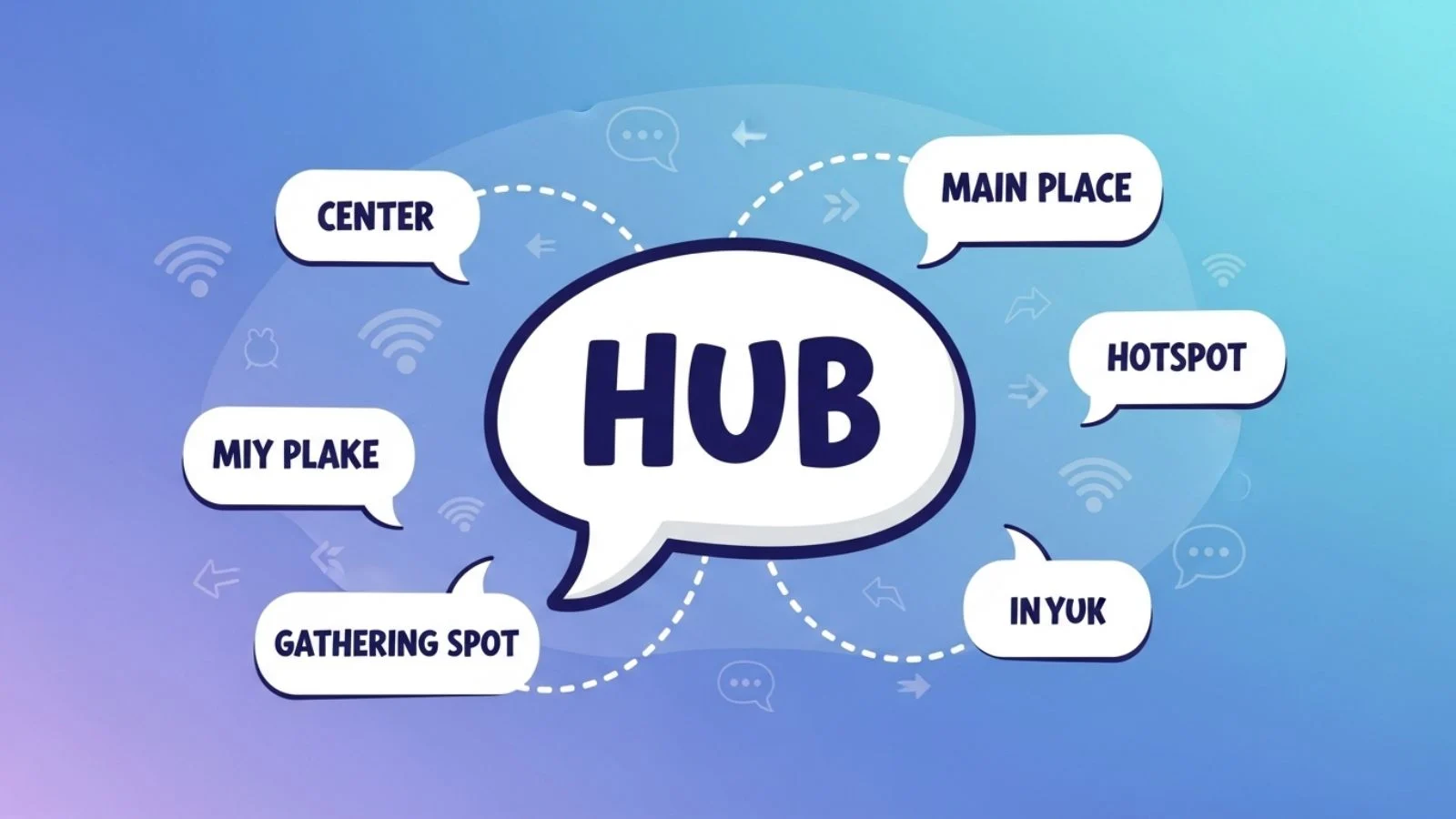
When someone types “hub” in a chat or social media post, it usually means “huh” or is used as a casual expression of confusion, surprise, or seeking clarification. It’s a short, slangy, fast-typing variation common in texting culture.
Meaning Explanation
Hub Meaning in Text
In modern texting, hub is often a phonetic spelling or typing variation of “huh,” used when someone doesn’t understand something or wants the other person to repeat it. It’s not an acronym, but a short form created for convenience in fast online chats.
Hub Slang Meaning
- Core idea: Expresses confusion, surprise, or curiosity
- Tone: Informal, casual, friendly, sometimes playful
- Common use: Texts, Instagram comments, TikTok replies, Snapchat chats
What Does Hub Mean in Chat?
When someone says “hub” in chat, they are usually asking:
- “What did you just say?”
- “Can you clarify?”
- “I didn’t understand that”
It’s similar to saying “huh?” but feels more internet-savvy.
Hub Meaning on Snapchat, TikTok, Instagram & WhatsApp
- Snapchat: Short, casual reaction to confusing snaps
- TikTok: Often seen in comments when users don’t get a joke or trend
- Instagram: Quick reply to stories or DMs, expressing mild surprise
- WhatsApp: Friendly, informal, mostly among younger users
Meaning Across Platforms
Snapchat
- Used in DMs or quick replies
- Tone: Casual, often playful or confused
- Example:
A: “Check out this filter!”
B: “Hub?”
TikTok
- Common in comment sections
- Tone: Funny or confused
- Example:
A: “This hack totally works.”
B: “Hub? How?”
- Tone: Informal, curious, sometimes sarcastic
- Example:
A: “Just dropped my mixtape!”
B: “Hub? You rap now?”
- Mostly in group chats
- Tone: Neutral, conversational
- Example:
A: “Meeting at 5 pm, right?”
B: “Hub? Thought it was 6 pm.”
SMS
- Rare but still used in text messaging
- Tone: Quick clarification or surprise
- Example:
A: “I bought tickets.”
B: “Hub? For which show?”
Tone & Context Variations
Hub can change meaning depending on tone:
Funny Tone
A: “I just ate 5 pizzas.”
B: “Hub? That’s insane!”
Sarcastic Tone
A: “I’m totally going to finish all my work tonight.”
B: “Hub, sure you are.”
Romantic Tone
A: “I got us front row seats for the concert.”
B: “Hub… you’re the best!”
Angry Tone
A: “You forgot my birthday?”
B: “Hub! Really?”
Playful Tone
A: “I replaced your coffee with tea.”
B: “Hub… you fiend!”
Grammar & Language Role
- Part of speech: Interjection
- Sentence role: Expresses reaction, confusion, or clarification
- Sentence position: Usually at the start or middle of a reply
- Replacement: Can replace a full sentence like “I don’t get it”
- Formal vs informal: Only informal
- Tone impact: Adds casual, friendly, or humorous vibe
How to Reply When Someone Says “Hub”
Funny Replies
- “Hub? Welcome to the club of confused humans.”
- “Hub… same here.”
Serious Replies
- “Oh, I meant that the meeting is at 5 pm.”
- “Sorry, I wasn’t clear. Let me explain.”
Flirty Replies
- “Hub? Guess I have your full attention now 😉”
- “Hub… just trying to impress you.”
Neutral Replies
- “I can clarify, no worries.”
- “It’s fine, I’ll explain again.”
Is It Rude or Bad?
- Rude? No, it’s casual, not offensive
- Disrespectful? Usually not, context matters
- Bad word? Definitely not
- School use? Safe in informal chats, but not formal assignments
- Work use? Avoid in professional emails, fine in casual messaging with colleagues
Who Uses This Term?
- Age group: Mostly teens and young adults (13–25)
- Gen Z vs Millennials: Primarily Gen Z
- Regions: Global, especially US, UK, Canada, and online communities
- Most common platforms: TikTok, Snapchat, Instagram, WhatsApp
Origin & Internet Culture
- Origin: Unknown exact origin, likely a fast-typing version of “huh”
- Meme influence: Often appears in reaction memes and TikTok comment sections
- TikTok trend connection: Used in videos with confusing or surprising content
- Fast typing culture: Shortening “huh” to “hub” makes typing quicker
Comparison Table
| Slang | Meaning | Formal/Informal | Tone | Popularity | Confusion Risk |
|---|---|---|---|---|---|
| hub | “Huh?” / Confused | Informal | Casual, funny, playful | Medium | Low-medium |
| idk | “I don’t know” | Informal | Neutral | High | Low |
| ion | “I don’t” | Informal | Neutral | Medium | Medium |
| dunno | “Don’t know” | Informal | Casual | Medium | Low |
| idc | “I don’t care” | Informal | Casual, blunt | High | Medium |
Experience-Based Insight
In real chats, hub is often typed quickly when someone doesn’t understand a joke, message, or post. It conveys mild confusion without any negativity and is rarely misunderstood by peers familiar with texting culture. People often pair it with emojis or follow-up questions for clarification.
Frequently Asked Questions About Hub
What Does Hub Mean in Text Messages and Online Chat?
It’s a casual way to express confusion or ask for clarification, similar to “huh?”
What Does Hub Mean on Snapchat and TikTok?
Used as a quick reaction when someone doesn’t understand a snap, story, or comment. Often playful.
Is Hub Rude, Disrespectful, or Harmless Slang?
Harmless slang. Context matters, but it’s rarely rude or disrespectful. Safe for casual conversations.
How Should You Reply When Someone Says “Hub”?
You can reply seriously, playfully, flirtatiously, or neutrally. Example: “Hub? I’ll explain again!”
Is Hub the Same as IDK or Different?
Different. Hub expresses confusion or surprise, while IDK means “I don’t know.”
Can You Use Hub in School or Work?
- School: Safe in casual chats, not in essays
- Work: Fine for informal messaging, avoid in professional emails
Summary & Usage Tips
- Hub = casual, short form of “huh?”
- Best used in informal chats, social media, or group messages
- Works well in funny, sarcastic, playful, or casual contexts
- Avoid in formal communication or professional writing
Common Mistakes
- Using hub as a serious response in professional emails
- Confusing it with “IDK” (don’t know)
- Overusing in a conversation, which can feel lazy
When to Use
- When you don’t understand a message
- Reacting to surprising or confusing posts
- Lightening the tone of a conversation
When to Avoid
- School assignments
- Professional emails or formal messages
- When clarity is critical without ambiguity